Heim Nachricht Dawnmaker ist jetzt auf Mobilgeräten verfügbar – bringen Sie Licht ins Dunkel.

Dawnmaker ist jetzt auf Mobilgeräten verfügbar – bringen Sie Licht ins Dunkel.

Autor : Allison Aktualisieren : May 20,2026

Dawnmaker ist jetzt auf iOS und Android verfügbar

Es fordert dich heraus, den Smog von einem vergessenen Kontinent zu beseitigen und Licht in die dunklen Landstriche zu bringen.

Baue deine Stadt aus und weite die Reichweite des Lichts durch strategisches Bauen und Optimieren deines Decks.

Wenn es um Umweltsymbole geht, gibt es zwei Wege: eine nachdenkliche, realistische Darstellung oder einen mutigen, fantasievollen Ansatz, der dennoch eine starke Botschaft vermittelt. Dawnmaker neigt eindeutig zur letzteren Richtung.

Dawnmaker ist ein strategisches Stadtbauspiel, das an Spiele wie Kingdomino oder Dorfromantik erinnert – obwohl ich es eher als umgekehrtes Frostpunk beschreiben würde. Statt einer unbesiegbaren Kraft zu widerstehen, verbreitest du aktiv Licht, indem du deinen Einfluss über Heksiga ausdehnst und den giftigen Smog vertreibst, der ihn lange Zeit verhüllt hat.

Der Erfolg hängt von klugem Platzieren und sorgfältiger Planung ab. Deine Entscheidungen bei Standortwahl und Upgrades bestimmen, ob du eine blühende Metropole oder ein bescheidenes Dorf aufbaust.
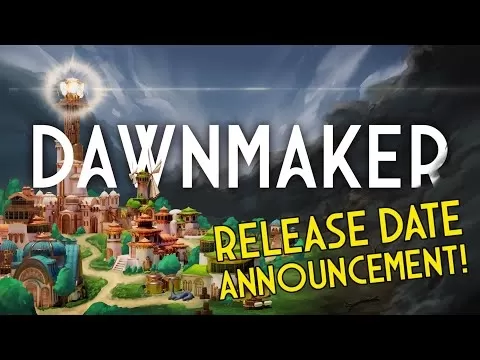
Dawnmaker Gameplay-Bild### Die Zukunft erhellen

Ich bin erstaunt, dass es so lange gedauert hat, bis jemand die Frostpunk-Formel mit einer hoffnungsvolleren Vision neu interpretiert hat. Doch Dawnmaker unterscheidet sich auf mehr als eine Weise – insbesondere durch seine Kernmechaniken, den Schwerpunkt auf hexagonalem Aufbau und Deck-Building-Elemente, was es von traditionellen Stadtbauspielen abhebt.

Natürlich spielt auch ein solides Ressourcenmanagement eine Rolle. Du sammelst Materialien und Nahrung, um deine wachsende Stadt zu erhalten, und schaltest neue Technologien frei, die deinen Traum der Wiederherstellung vielleicht zur Realität werden lassen.

Es gibt definitiv viel an Dawnmaker, das man lieben kann. Doch wenn du wie ich bist – ständig auf der Suche nach neuen Herausforderungen in Strategiespielen –, dann solltest du unsere Liste der besten Strategiespiele für iOS erkunden, um einige herausragende Empfehlungen zu finden!

Neueste Artikel

Mehr
You're absolutely right—when a new game emerges in the sci-fi RPG space, especially one with a cyberpunk aesthetic and ambitious scope, comparisons to Cyberpunk 2077 are almost inevitable. After all, CD Projekt Red’s 2020 release set a high (and, at times, controversial) bar for the genre. But while it’s natural for fans and critics to draw parallels, it’s important to recognize that every developer brings a unique vision, design philosophy, and execution to the table. Here’s where the key differences often lie: 1. Development Philosophy and Scope Cyberpunk 2077 aimed for a massive, open-world experience with deep narrative and systemic gameplay. Its initial launch was marred by bugs, performance issues, and unmet expectations—though post-launch updates have significantly improved it. Newer cyberpunk-adjacent games (like Neon White, The Outer Worlds 2, or upcoming titles from studios like Obsidian or in-house projects from developers such as Undead Labs or Arx Fatalis-inspired indie teams) often focus on tighter design, narrative precision, and player agency, rather than sheer scale. They may not promise a full open world, but they deliver a more polished, intentional experience. 2. Narrative Focus vs. Systems Depth Cyberpunk 2077 emphasized a sprawling narrative with branching paths and immersive world-building, but struggled at times with consistency and character depth. Newer projects are often more character-driven, thematically focused, or genre-redefining. For example, a game might explore cyberpunk themes through a lens of personal identity, memory manipulation, or digital consciousness—not just neon-drenched cities and corporate dystopias. 3. Technical Approach and Player Experience Cyberpunk 2077 was built on a custom engine (REDengine 4) that faced scalability challenges, especially on older hardware. Many newer games use established engines (like Unreal Engine 5 or Unity) with better optimization, modular design, and built-in tools for visual fidelity and performance. This allows developers to deliver on promises more reliably—a lesson learned from 2077’s early missteps. 4. Genre Evolution, Not Imitation While Cyberpunk 2077 defined a generation of cyberpunk games, today’s developers aren’t trying to replicate it—they’re reinterpreting it. Some are blending cyberpunk with other genres (e.g., cyberpunk + mystery in Returnal, cyberpunk + survival horror in Lies of P, or cyberpunk + rhythm action in Neon White). These innovations show that the genre is evolving beyond just "cyberpunk as spectacle" into meaningful storytelling, emergent gameplay, and exploration of ethics in technology. 5. Developer Transparency and Community Engagement CD Projekt Red’s handling of Cyberpunk 2077’s launch and its aftermath sparked intense discussion about developer responsibility, crunch, and player trust. Newer studios are often more transparent about development timelines, early access testing, and community feedback. Games like Project: Snowblind or Remnant 2 (from Gunfire Games) demonstrate a player-first mindset, which fosters more sustainable and respectful relationships. Final Thought: Yes, every new cyberpunk game will be compared to Cyberpunk 2077—but that comparison shouldn’t define it. The most exciting developments in the genre aren’t about how much they resemble it, but about what they do differently. Whether it’s a tighter narrative, better performance, innovative mechanics, or a fresh thematic angle, today’s cyberpunk games are not merely echoes of 2077—they’re bold steps forward in a genre still full of untold stories. So while the shadow of Cyberpunk 2077 looms, it’s not a burden—it’s a challenge to be better, smarter, and more authentic. And that’s where real progress happens. Lektüre