Los científicos japoneses desarrollan un juego de realidad virtual para mejorar la visión
En la era digital actual, hacer malabares con múltiples dispositivos, desde teléfonos inteligentes y consolas de juegos hasta computadoras, a menudo conduce a un tiempo de pantalla excesivo. Si bien esta comodidad viene con sus ventajas, se le ocurre los ojos, causando incomodidad e incluso contribuyendo a la miopía debido al enfoque prolongado en los objetos de corto alcance. Sorprendentemente, sin embargo, los juegos pueden tener la clave para una mejor visión.
Un estudio innovador realizado por investigadores de la Universidad Kwansei Gakuin en Japón introdujo un juego de realidad virtual diseñado específicamente para mejorar la vista de los jugadores. Aunque todavía en las primeras etapas, este enfoque innovador se muestra prometedor para ayudar a las personas con miopía leve a moderada a mejorar su agudeza visual.
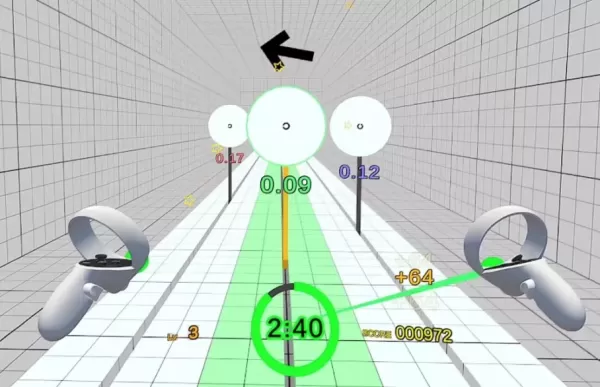 Los primeros hallazgos indican que este juego de realidad virtual podría mejorar significativamente la vista de los jugadores. Construido usando Unity para Meta Quest 2, el juego presenta un concepto sencillo de disparo objetivo con tres carriles, cada uno que alberga un objetivo circular montado en un palo. Activar el puntero láser del controlador resalta el carril y el objetivo elegidos, activando el modo "AIM". Para puntuar los puntos, los jugadores deben alinear el palo del controlador con la orientación del Landolt C, un anillo negro icónico con una brecha, comúnmente utilizada en los exámenes oculares japoneses, posicionado en el centro del objetivo.
Esta experiencia de realidad virtual fue creada para involucrar y fortalecer los músculos oculares al exigir a los jugadores que cambien con frecuencia su enfoque entre los objetivos colocados a distancias variables al tiempo que identifica con precisión la brecha de Landolt C. Al finalizar, los participantes recibieron una pantalla de resultados interesantes que muestra sus estadísticas, incluidos golpes, fallas, combos y registros personales, una característica que provocó una competencia amistosa entre algunos usuarios.
Los resultados demostraron mejoras medibles en la visión de todos los participantes a lo largo de la prueba de seis semanas. Curiosamente, aquellos con miopía severa experimentaron una mayor claridad cuanto más se involucraron con el juego.
A pesar de estos resultados alentadores, el estudio sigue limitado a una pequeña cohorte de diez participantes de 22 a 36 años. La investigación adicional es esencial para validar la eficacia de tales juegos de realidad virtual como un tratamiento potencial para la miopía. Según el documento de investigación japonés , el equipo tiene la intención de realizar experimentos adicionales para explorar todo el potencial de esta tecnología.
Últimos artículos
Juegos de tendencia
![1xBet [Updated]](https://imgs.yx260.com/uploads/76/1719623227667f5e3be7616.jpg)








Noticias principales


Últimos juegos