Monster Hunter Wilds: Seasons & Weather Explained
Seasons and weather introduce dynamic variables in Monster Hunter Wilds' Forbidden Lands. Beyond visual changes, these environmental shifts significantly impact gameplay mechanics. Here's a comprehensive guide to understanding seasonal cycles and weather patterns in Monster Hunter Wilds.
Monster Hunter Wilds Seasons Explained
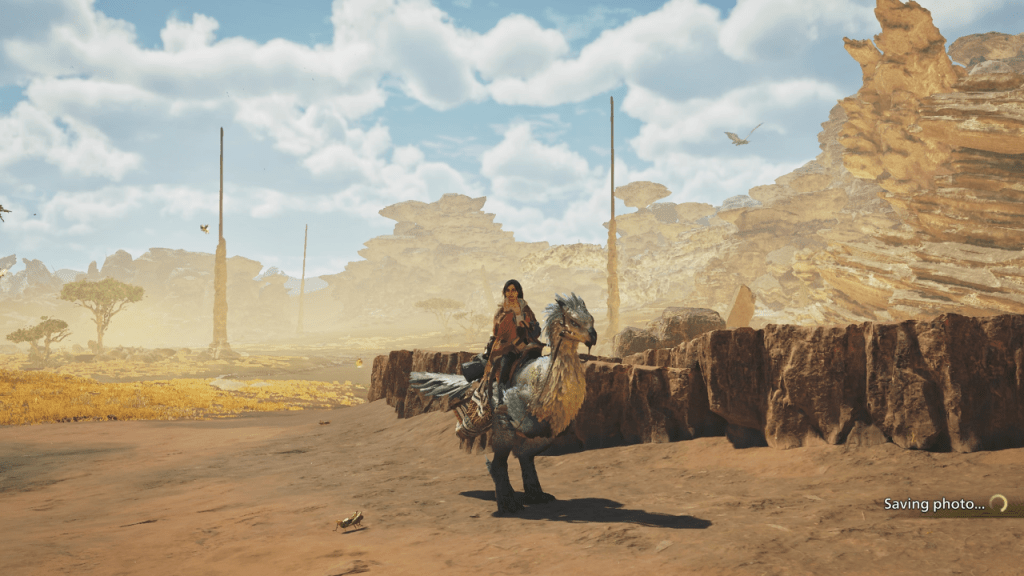
Monster Hunter Wilds features two distinct seasons that govern the Forbidden Lands' climate: Fallow and Plenty. The game commences during the harsh Fallow season, characterized by extreme weather conditions and scarce resources. This environmental stress triggers heightened aggression in monsters, leading to more frequent interspecies conflicts compared to Plenty season.
In contrast, Plenty season presents a more hospitable environment with abundant vegetation and vibrant ecological changes. Smaller creatures become less territorial and tend to roam independently rather than in groups. The season's namesake bounty extends to harvestable materials, making Endemic Life and medicinal plants more accessible. These conditions bring relief to both villagers and hunters throughout the region.
Between these primary seasons occur brief but intense Inclemency weather events. These extreme conditions set the stage for dramatic encounters with Apex Predators. For instance, the 'Pinnacle of the Pack' assignment challenges hunters to battle the Alpha Doshaguma amid Sandtide - a spectacular sandstorm illuminated by lightning strikes. Additional unique weather phenomena accompany these apex encounters throughout the game world.
Monitoring Seasonal and Weather Conditions
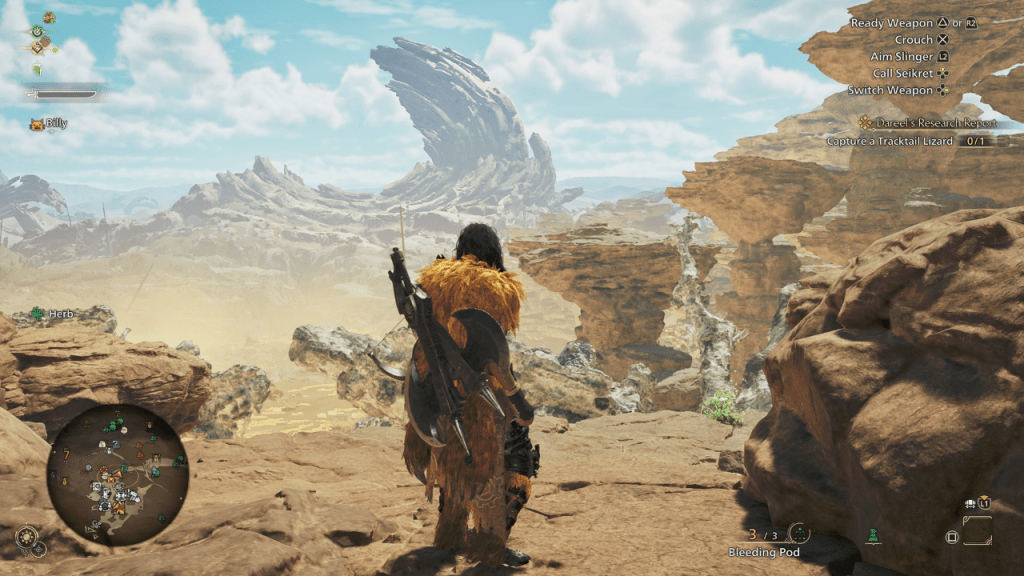
The game provides multiple methods to track environmental conditions. The HUD prominently displays seasonal and time-of-day indicators in the bottom left corner. For comprehensive meteorological data, players can consult their map interface. After opening the map, pressing the designated button reveals the Environment Overview panel containing detailed weather and seasonal information.
Optional Quests maintain fixed environmental parameters regardless of the current open-world conditions. Undertaking these missions temporarily transports hunters to the specified seasonal and temporal setting for the quest duration.
Altering Environmental Conditions
Given the ecological differences between seasons, hunters may prefer specific conditions for particular objectives. The game permits environmental manipulation through a straightforward camp mechanic.
To modify seasons or weather, hunters must establish a campsite and utilize the Rest function. From the tent interface, navigate to the BBQ Menu and select Rest to modify both temporal and seasonal parameters for your next awakening.
This environmental control carries certain limitations: each Rest cycle consumes 300 Guild Points and requires High Rank status. Additionally, this feature remains unavailable during active quests.
This concludes our examination of Monster Hunter Wilds' dynamic seasonal system.
Monster Hunter Wilds is currently available on PlayStation, Xbox, and PC platforms.
Latest Articles
![1xBet [Updated]](https://imgs.yx260.com/uploads/76/1719623227667f5e3be7616.jpg)